
Main Street: The Place That Connects Us All
- Maya Haptas

- Mar 26
- 3 min read
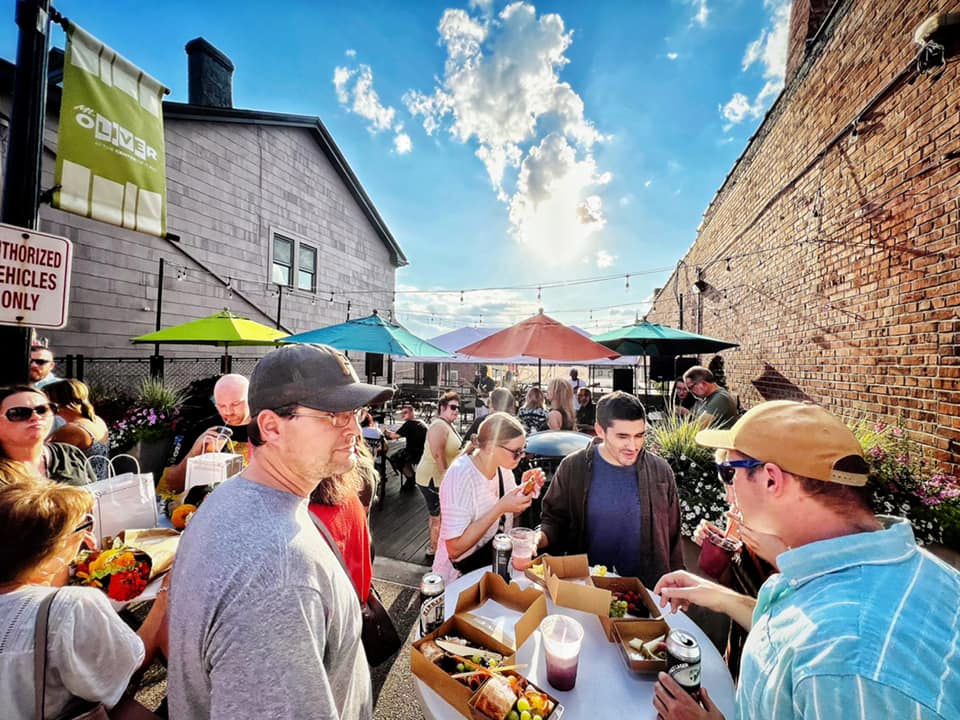
Economic revitalization often focuses on tangible improvements, such as infrastructure and real estate investment. Although physical improvements are critically important to support economic growth, research increasingly shows that community connection is just as important to long-term economic health.
In the book Palaces for the People, sociologist Eric Klinenberg explored the concept of social infrastructure, the physical places that shape how people interact and build relationships. Libraries, parks, and schools are classic examples, but Klinenberg also emphasizes the role of everyday gathering spaces such as cafés, restaurants, and neighborhood retail districts.
Psychologist and urbanist Dr. Mindy Fullilove takes a deeper look at the importance of retail districts in her book Main Street: How a City’s Heart Connects Us All. A central theme is our desire to be around others. Main Streets thrive when they provide opportunities for people to see, be seen, and participate in public life. Whether responding to economic decline, disasters, or social fragmentation, Main Streets can serve as platforms for rebuilding connection and restoring community health. (To further explore the connection between social fragmentation, community health, and economic opportunity, I highly recommend Fullilove’s earlier book Root Shock: How Tearing Up City Neighborhoods Hurts America and What We Can Do About It).
Fullilove’s core message is that Main Streets are essential civic infrastructure. When they are healthy, they enable connection, support mental well-being, and strengthen local economies. When they decline, communities lose not just businesses, but the social systems that hold them together.
These places foster the informal interactions that build trust and strengthen communities. A walkable commercial corridor, a local coffee shop, or a neighborhood bookstore may seem ordinary, but collectively they knit together communities.

The Importance of Connection
Main Street America recently held a webinar to introduce the findings from a new report, The Six Points of Connection 2026, published by the United States Chamber of Connection. The report identifies six points of connection that shape how connected people feel to their communities: neighborhood contact, community of identity, one-on-one relationships, third places, community of play, and community service. Together, these factors influence whether people feel a sense of belonging in their community and whether they choose to live, work, invest, and participate there.
Main Streets and neighborhood commercial districts are uniquely positioned to provide an antidote to the disconnectedness that, according to the Chamber’s report, 52% of Americans feel. Welcoming public spaces and inclusive community programming support openness. Markets, festivals, and neighborhood meetings hosted in commercial districts foster civic engagement. Attractive streetscapes, historic storefronts, and public art contribute to aesthetics that invite people to linger and interact.
Why Invest in Main Street?
Commercial districts play a critical role as drivers of connection. Local entrepreneurs and residents often serve as community leaders, helping organize events, support neighborhood initiatives, and provide spaces where to gather. At the same time, small businesses create jobs and pathways for entrepreneurship, allowing residents to participate directly in the local economy.
As Fullilove and Klinenberg suggest, Main Streets are not just economic assets, they are essential community infrastructure. Investments that improve walkability, support small businesses, activate public spaces, and create welcoming environments do more than attract customers. They help build the relationships and networks that underpin healthy communities.
At Fourth Economy, we were recently selected, along with our partner evolveEA, by the Redevelopment Authority of Allegheny County and Allegheny County Economic Development to serve as the Technical Assistance Provider for Main Streets Allegheny. This program brings together technical assistance, grants, loans, and district-level investment to help municipalities, business districts, and small businesses work together to strengthen local economies and create vibrant, welcoming places. By investing in the vitality of these districts, this program will play a critical role in connecting residents and other stakeholders to opportunity and to one another.
Ultimately, when leaders invest in their Main Streets, they are investing in much more than storefronts and sidewalks. They are investing in vibrant and resilient places that can connect us all.
What are your favorite places to connect in your Main Street district? Visiting your local coffee shop? Volunteering at a tree-planting or litter cleanup? Or maybe you serve on your local Main Street Committee? Reach out and let us know.


