Juneteenth, Black Wealth, and the Right to Remain: Why Ownership Is the Next Frontier of Economic Development
- Fourth Economy

- Jun 18
- 5 min read
"Generational wealth, that's the key." , JAY Z, Legacy

Commemorating Freedom Delayed
Juneteenth commemorates freedom delayed. More than 160 years later, another question remains unresolved: What does economic freedom actually look like?
For many Black communities, the answer is increasingly tied to a different challenge, not simply the ability to build wealth, but the ability to remain in place long enough to benefit from it.
Economic freedom is not just about having access to opportunity. It is about having ownership in the places we helped build and the ability to stay long enough to see that investment create value for our families and future generations.
A Pattern of Displacement
On June 19, 1865, more than two years after the Emancipation Proclamation, enslaved people in Galveston, Texas, finally learned they were free. Freedom, however, arrived without the land, assets, or the economic foundation necessary to build lasting wealth. Still, Black communities persisted in doing what they had always done: they built.
Across the country, Black families established thriving business districts, strong neighborhoods, and local economies despite facing enormous structural barriers. These communities were more than mere neighborhoods; they were vital centers of wealth creation, opportunity, and self-determination. Iconic examples include:
Seneca Village, New York City: A significant community of free Black property owners before the Civil War, erased by the creation of Central Park.
Greenwood District, Tulsa: Known as Black Wall Street, a flourishing economic hub devastated by the 1921 Tulsa Race Massacre.
Farish Street, Jackson: A thriving commercial corridor and one of the South's most important Black business districts.
Hayti, Durham: Recognized as the Capital of the Black Middle Class, which was dismantled by urban renewal and freeway construction in the 1960s.
Sweet Auburn, Atlanta: A center of Black owned financial institutions and commerce, later weakened by highway construction and disinvestment.
Bronzeville, Chicago: A major cultural and economic powerhouse that flourished during the Great Migration before being fragmented by urban renewal projects.
Jackson Ward, Richmond: Known as the Harlem of the South, a major banking center severed by the routing of Interstate 95 through its heart.
West Ninth Street, Little Rock: A vibrant commercial and cultural hub severely impacted by highway development and urban renewal.
Many of these communities were denied the chance to fully realize the wealth they created. Some were devastated by racial violence and massacres; others were dismantled by urban renewal, highway construction, eminent domain, and decades of disinvestment. While the circumstances varied, the result was consistent: communities that built economic value saw their foundations weakened, displaced, or dismantled.
The story of Black wealth in America is not simply about what was built; it is also about what was lost, disrupted, or denied the opportunity to grow across generations. Yet, history makes one thing clear: the question has never been whether Black communities can create value. Time and again, they have done exactly that. The more pressing question, one that remains urgent today, is this: When investment arrives and communities prosper, who is empowered to stay and benefit from the value that is created?
The Evolution of the Conversation

This is where the conversation about Black wealth must evolve. The challenge is no longer only about wealth creation. It is also about the right to remain. The right to remain reflects the ability of residents, entrepreneurs, and property owners to stay rooted in place as investment and development occur. It asks a simple but important question: When communities improve, who benefits?
Ownership sits at the center of this conversation because wealth is created through assets. Homes, businesses, and commercial property determine who captures value as neighborhoods grow and markets strengthen.
Ownership and Generational Wealth
JAY Z captured this idea in Legacy when he wrote, "Generational wealth, that's the key." Generational wealth is not defined by income alone. For every dollar of wealth held by White families, Black families hold about 13 cents. It is defined by the ability to convert income into assets that can appreciate, create opportunity, and be passed to future generations. It is the difference between building a place and earnings that come from owning and being able to stay in a place.
That distinction is becoming increasingly important as communities across the country experience new waves of investment and redevelopment. The arrival of capital does not automatically translate into shared ownership of the value it creates. That is why the right to remain is ultimately an economic development issue.
An Economic Development Imperative
Strong communities do not have to choose between growth and inclusion. The most successful places create conditions where existing residents can participate in new investment, where local businesses can expand, and where the people who helped sustain a community can share in its future prosperity.
The conceptual challenge of the 'right to remain' requires practical application. We see this in practice through initiatives like the Ramsey Affordable Housing Build Sessions, which demonstrate how targeted investment can yield systemic results. By investing in housing stability, these sessions directly facilitate the right for residents to stay rooted in their communities, which is a foundational prerequisite for building the generational wealth discussed here.
Conclusion
As we reflect on Juneteenth, the lesson is not only about delayed freedom. It is also about the unfinished quest for economic freedom. Freedom is the ability to build wealth. Economic freedom is the ability to keep it, grow it, and pass it forward.
As highlighted by the story of the Gullah Geechee, the right to remain is far more than a housing or community development matter, it is a critical economic development issue. Preserving the legacy and assets of our communities is essential to a healthy, inclusive economy. I invite you to reach out so we can connect and continue this conversation.
Sources & Further Exploration:
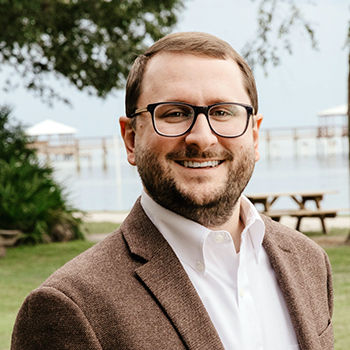
About Bernard Johnson and Fourth Economy
Fourth Economy helps public, private, and civic leaders navigate complex economic and community development challenges. Our teams work across housing, downtown revitalization, economic competitiveness, infrastructure, workforce development, and civic strategy to help communities move from vision to implementation.
We partner with cities, regions, institutions, developers, philanthropies, and community organizations to develop investment-ready strategies, evaluate feasibility, align systems and implementation, and build the partnerships needed to create lasting economic and social impact.
To learn more, contact Bernard Johnson at [email protected]